That sudden, chilling quiet from your boiler system isn’t just an annoyance in Minneapolis – it’s a full-blown emergency. When the mercury drops below zero and your home starts to feel like an icebox, panic can set in faster than frost on a windowpane.
Forget the cozy comfort you rely on. A boiler breakdown means icy floors, frigid rooms, and a sinking feeling in your gut, wondering how long you'll shiver. You need more than just a repair; you need the right fix, and you need it yesterday.
So, if your heat just went out and you're wondering what to do next, keep reading. We're about to lay out exactly what happens when your boiler fails, and more importantly, how to get your warmth back swiftly and correctly.

Understanding Your Boiler's Distress Signals: Common Breakdown Symptoms
Your boiler rarely just "quits" without a warning shot. Often, it's been sending you subtle, or not-so-subtle, messages for days or weeks. Ignoring these early distress signals is like ignoring the check engine light on your car – it only leads to a bigger, more expensive headache.
Knowing what to listen for, look at, and feel for can make all the difference between a minor repair and a total system shutdown on a frigid Minneapolis night. Don't wait until you're bundled in blankets, shivering; recognize these common cries for help:
What Your Boiler is Trying to Tell You:
- No Heat or Insufficient Heat: This is the big one, obviously. If your radiators are cold, or only lukewarm, when the thermostat is set high, your boiler is failing to do its primary job.
- Strange Noises: Boilers are not silent, but new banging, clanking, whistling, or gurgling sounds are definite red flags. These often point to air in the system or failing components that need attention.
- Leaking Water: Any puddle, drip, or visible moisture around your boiler is a serious concern. It could be a loose connection, a corroded pipe, or a crack in the tank itself, leading to pressure loss.
- Pilot Light Issues: For older systems, a frequently extinguishing or discolored pilot light indicates a problem with the gas supply or burner assembly. A yellow or orange flame, instead of blue, is also a warning.
- Pressure Drops: If you're constantly refilling your boiler system to maintain adequate pressure, it suggests a leak or an issue with the expansion tank. Keep an eye on your pressure gauge.
- Unusual Odors: A metallic smell could mean overheating, while a sulfur or "rotten egg" smell indicates a potential gas leak – evacuate immediately and call your gas company!
These symptoms aren't just minor quirks; they're your boiler waving a white flag, demanding attention. Catching them early can save you significant discomfort, prevent greater damage, and ultimately, save you money. Don't let a small warning escalate into a full-blown emergency in our brutal Minneapolis winter.
The Culprits: Why Boilers Fail, Especially in Minneapolis Winters
So, your boiler decided to go on strike. It rarely happens without a reason. Often, the breakdown is due to common suspects like low water pressure, which starves the system, or a pilot light that’s simply refused to stay lit. Sometimes it’s a faulty thermostat, sending wrong signals – or no signals at all.
But here in Minneapolis, our winters add another layer of nasty. Those brutal cold snaps push heating systems to their absolute limit. Think about it: your boiler is working overtime, often non-stop, for months on end. This relentless demand can expose underlying issues like worn-out pumps, sediment buildup in the pipes, or corroded components that might have limped along in milder climates. Our deep freezes can also lead to a dreaded problem: frozen condensate lines, which can quickly shut your entire system down.
Don't forget the age factor. An older boiler, while reliable for years, eventually succumbs to the wear and tear of keeping a Minnesota home warm. Seals crack, vital components degrade, and the whole system just can’t keep up with the demands. Ignoring routine maintenance only fast-tracks these failures, turning minor quirks into a full-blown, wallet-draining crisis when you need heat the most.

Immediate Steps: Safe DIY Boiler Troubleshooting You Can Attempt
Before you hit the panic button or grab your phone to call us, let's talk about a few things you can safely check. Sometimes, a boiler breakdown isn't a catastrophe; it’s just a hiccup. Think of these as your frontline defense against the chilling Minneapolis air.
Your Initial Checklist: Power and Pressure
- Check the Thermostat: Is it set correctly? Make sure it’s on "heat" and above the current room temperature. A simple adjustment here can often restore warmth without a service call.
- Power Supply: Head to your electrical panel. Has a circuit breaker tripped for your boiler? Flip it firmly off, then firmly back on. Also, locate the emergency shut-off switch – usually a red switch cover near the boiler or at the top of basement stairs – and confirm it’s in the "on" position.
- Boiler Pressure Gauge: Take a look at the pressure gauge on your boiler. It should typically read between 12-18 PSI when the system is cold, or slightly higher when hot. If the needle is below 10 PSI, your boiler might be shutting down as a safety measure to prevent damage.
If you've identified low pressure, you *might* be able to add water yourself if you understand how to operate the boiler's fill valve – but proceed with extreme caution. Overfilling can create new problems, and if you’re unsure, it’s always smarter to pause. You don't want to turn a potentially simple fix into a much larger, more expensive issue.
Beyond the DIY: When to Call Professional Boiler Repair in Minneapolis
Look, we get it. You’re resourceful. You’ve tightened a loose screw, you’ve reset a breaker. But when your boiler gives up the ghost, some problems are just plain beyond the scope of even the most dedicated homeowner. Think about it: if you’re seeing actual water leaking from the unit, smelling anything resembling rotten eggs (that’s natural gas, folks!), or hearing alarming bangs and whistles, your DIY days for this issue are officially over.
The Red Flags Demanding a Pro
These aren't just minor hiccups; they're serious warnings. Attempting to fix issues involving gas lines, complex electrical components, or significant pressure system problems without proper certification and tools is not just ill-advised – it’s dangerous. You could turn a fixable problem into a hazardous situation, costing you far more than a professional repair would have in the first place.
- Gas Leaks: Any gas smell demands immediate professional attention. Leave the house, call for help.
- Significant Water Leaks: Beyond a small drip, this indicates internal component failure.
- Constant Pilot Light Failure: Could point to a faulty thermocouple or gas supply issue.
- Strange Noises & Bangs: Often signals serious internal component stress or sediment buildup.
- No Heat After Basic Troubleshooting: If you've checked the obvious, it's time for an expert diagnosis.
This is where trained Minneapolis boiler technicians earn their stripes. They bring not just wrenches, but specialized diagnostic equipment, years of experience, and the training to pinpoint the exact root cause of failure. They’re not just guessing; they’re systematically troubleshooting, ensuring the repair is not just a band-aid, but a lasting solution that keeps your family warm through another brutal Minnesota winter.
Case Study: Restoring Warmth to a Minneapolis Home, Fast and Flawlessly
Just last week, the phone rang from a frantic homeowner in the Fulton neighborhood of Minneapolis. Mrs. Johnson, a long-time resident, woke up to a bone-chilling 48 degrees inside her home. Her reliable boiler, which had served her well for decades, had suddenly gone completely silent. No pilot light, no hum, just cold dread. With an impending snowstorm, every minute counted.
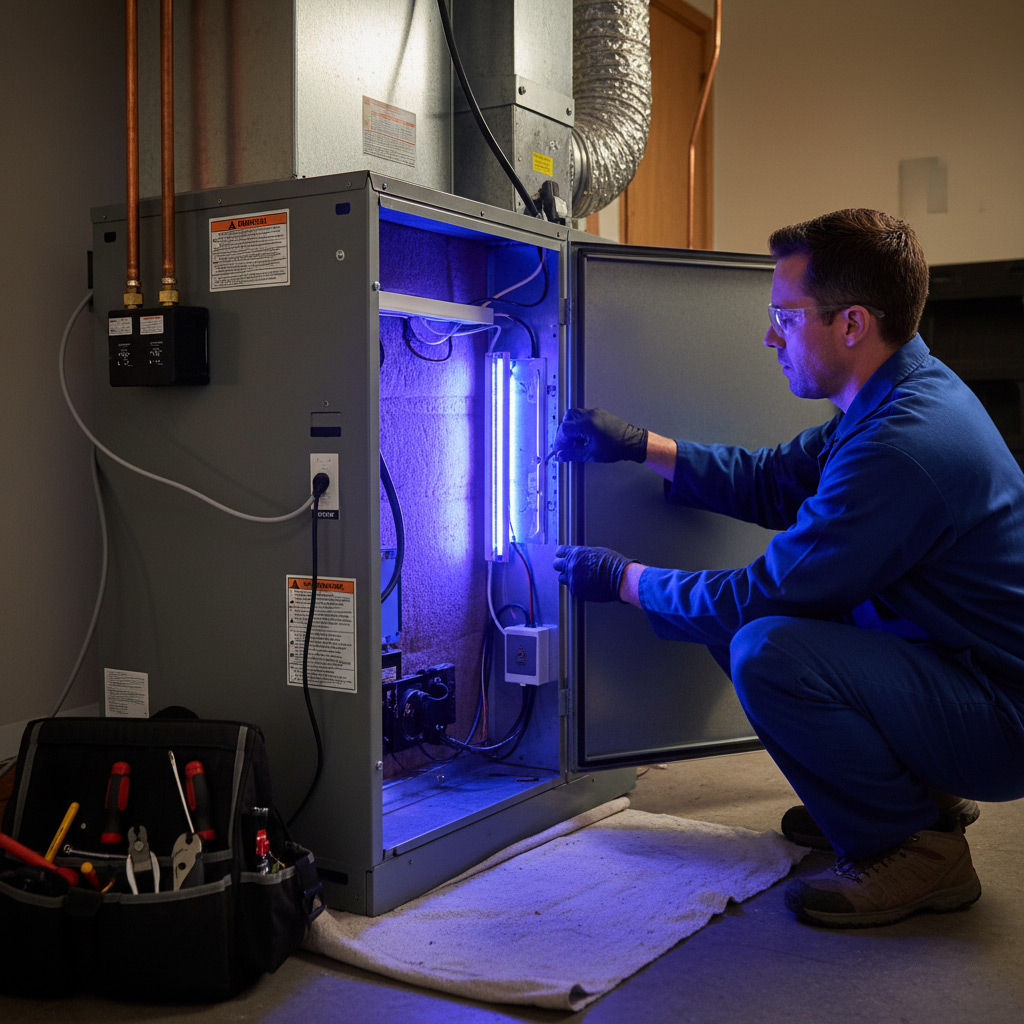
Our rapid-response team, specializing in boiler repair in Minneapolis, was dispatched immediately. Arriving within an hour, our certified technician quickly pinpointed the issue: a faulty gas valve preventing fuel delivery to the burner. This isn't a simple DIY fix; it requires specialized tools and deep expertise. We carried the necessary replacement part on our truck, avoiding any further delays for Mrs. Johnson.
Within just a few hours of her initial call, her new gas valve was expertly installed, the system was thoroughly tested, and that familiar, comforting warmth began to radiate through her home once more. Mrs. Johnson didn't just get her boiler fixed; she got her peace of mind back, knowing she could face the Minneapolis winter confidently. That's the difference between a temporary patch and a professional, lasting solution when your heat fails.
Proactive Warmth: Essential Boiler Maintenance to Prevent Future Breakdowns
Look, waiting until your boiler kicks the bucket when it's -20°F outside is a recipe for disaster. It’s not just about comfort; it's about protecting your home from frozen pipes and your wallet from emergency repair surcharges. Regular, professional boiler maintenance is your best defense against those soul-crushing breakdowns.
Think of it as an insurance policy for your warmth. A small investment now prevents a major headache later. Our expert technicians don't just kick the tires; they dive deep into your system, checking for the subtle signs of wear that lead to catastrophic failure. Here's a glimpse of what a thorough annual tune-up includes:
- Inspecting key components: We meticulously check burners, heat exchangers, and ignition systems.
- Testing safety controls: Ensuring pressure relief valves and limits are working flawlessly.
- Checking for leaks and corrosion: Even a tiny drip can become a big problem.
- Optimizing performance: Calibrating your system for maximum efficiency and fuel savings.
- Cleaning vital parts: Removing scale and sediment that choke your boiler’s effectiveness.
This isn't some quick glance-over. It’s a comprehensive diagnostic designed to catch problems before they leave you shivering. Skipping maintenance is like playing Russian roulette with your home’s heating – sooner or later, that bullet comes for you. Protect your investment, extend your boiler’s life, and keep your energy bills from skyrocketing with a simple annual check-up. It's the smartest move you can make for year-round comfort.
Final Words
When your Minneapolis boiler goes silent, it's more than just an inconvenience; it's a disruption to your entire home's rhythm. You've seen the symptoms, understood the stakes, and now you know that immediate, correct action is non-negotiable, especially when those brutal Minnesota winters hit.
Don't let a failing heating system leave you in the cold. Having a trusted partner for boiler repair isn't just a luxury; it's a necessity for enduring the extreme temperatures here. When you face that chilling moment, remember that a swift, expert response means the difference between a minor setback and a miserable deep freeze.
Ultimately, your comfort and safety depend on a robust, well-maintained boiler. But when the unexpected happens, knowing who to call for a definitive, lasting fix is your greatest defense against the cold. Choose expertise. Choose peace of mind.
People Also Ask
What are the most common signs of a boiler breakdown?
Common signs include unusual noises like banging or whistling, a lack of heat or uneven heating, water leaks around the unit, and a sudden increase in energy bills. You might also notice a drop in boiler pressure or the pilot light frequently going out.Why are boilers prone to breakdowns in Minneapolis's cold weather?
Extreme cold forces boilers to work harder and longer, putting increased strain on components like pumps, valves, and heat exchangers. Frozen condensate lines, pressure drops due to expansion and contraction, and sediment buildup from continuous operation are common issues unique to harsh winters.What should I do immediately if my boiler stops working in Minneapolis?
First, check your thermostat settings and ensure the boiler's power supply is on. You can also inspect the pressure gauge to see if it's too low and attempt a reset if safe to do so, but always prioritize safety and avoid forcing any components.How fast can a professional HVAC company repair my boiler in Minneapolis?
Many reputable Minneapolis HVAC companies offer emergency boiler repair services, often providing same-day or next-day appointments, especially during peak winter months. Response times can vary, but prioritizing quick service is key to restoring your home's warmth swiftly.Is regular maintenance really necessary to prevent boiler breakdowns?
Absolutely, annual boiler maintenance is crucial for preventing unexpected breakdowns and extending your system's lifespan. Technicians can identify potential issues early, clean components, and ensure optimal efficiency before they escalate into major problems during the coldest months.
Minneapolis HVAC offers knowledgeable solutions for all heating and cooling needs. Their experienced team provides dependable service across Minneapolis homes and businesses. They are committed to ensuring indoor comfort throughout the local community.
Need HVAC?
We provide prompt, efficient solutions for your needs across Minneapolis, MN and surrounding communities, ensuring your objectives are met without delay.
Get a Service Estimate