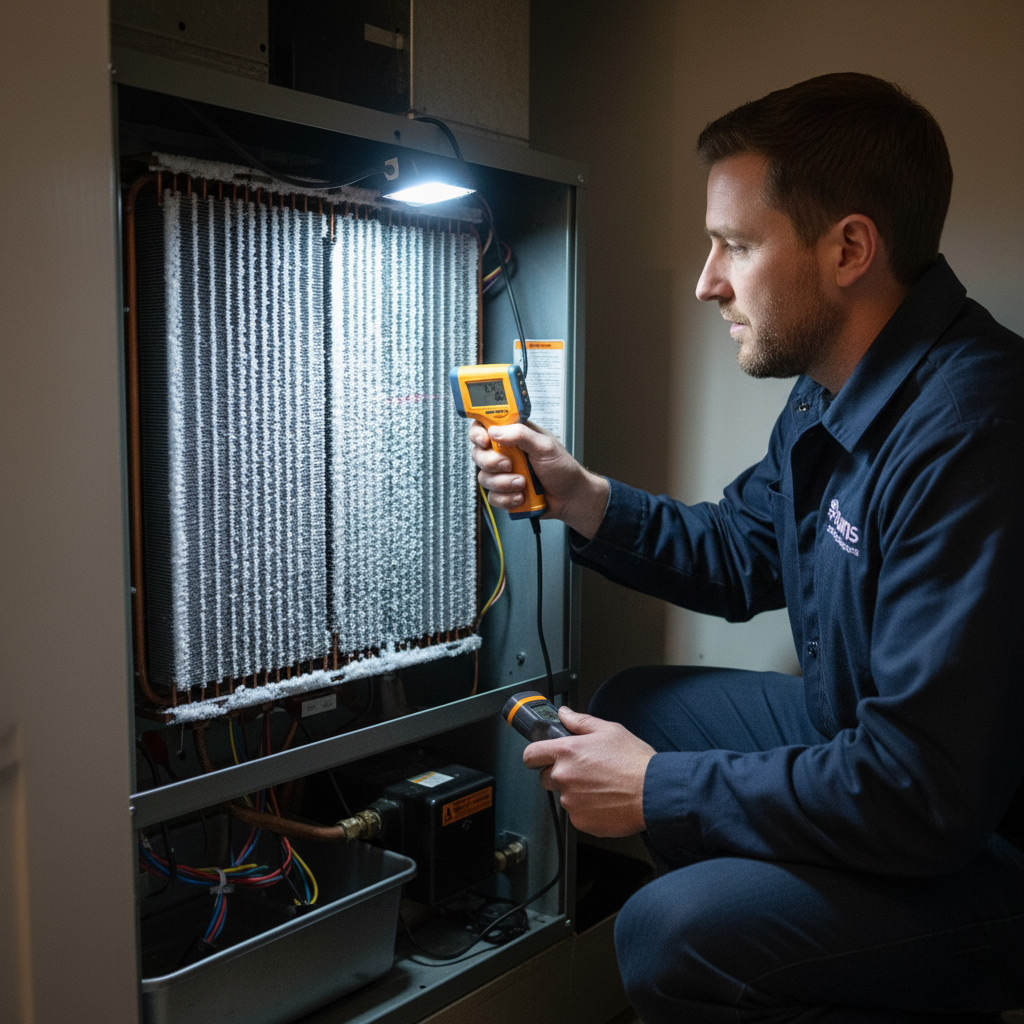
Your Minneapolis home has a dirty little secret: it’s likely costing you a fortune in heating and cooling, and you don’t even realize it.
That inconsistent comfort, the drafty corners, the suffocating upstairs on a July afternoon? Those aren't just minor inconveniences; they’re symptoms of a bigger problem. And it's not always the age of your furnace or AC unit.
What if I told you the true comfort and cost savings in a city like ours comes down to something most homeowners completely overlook? The system's actual design. Let’s pull back the curtain on how to truly master your indoor climate, no matter what the Minnesota weather throws at you.
Beyond the Box: Why Proper Load Calculation is Your First Step to True Comfort
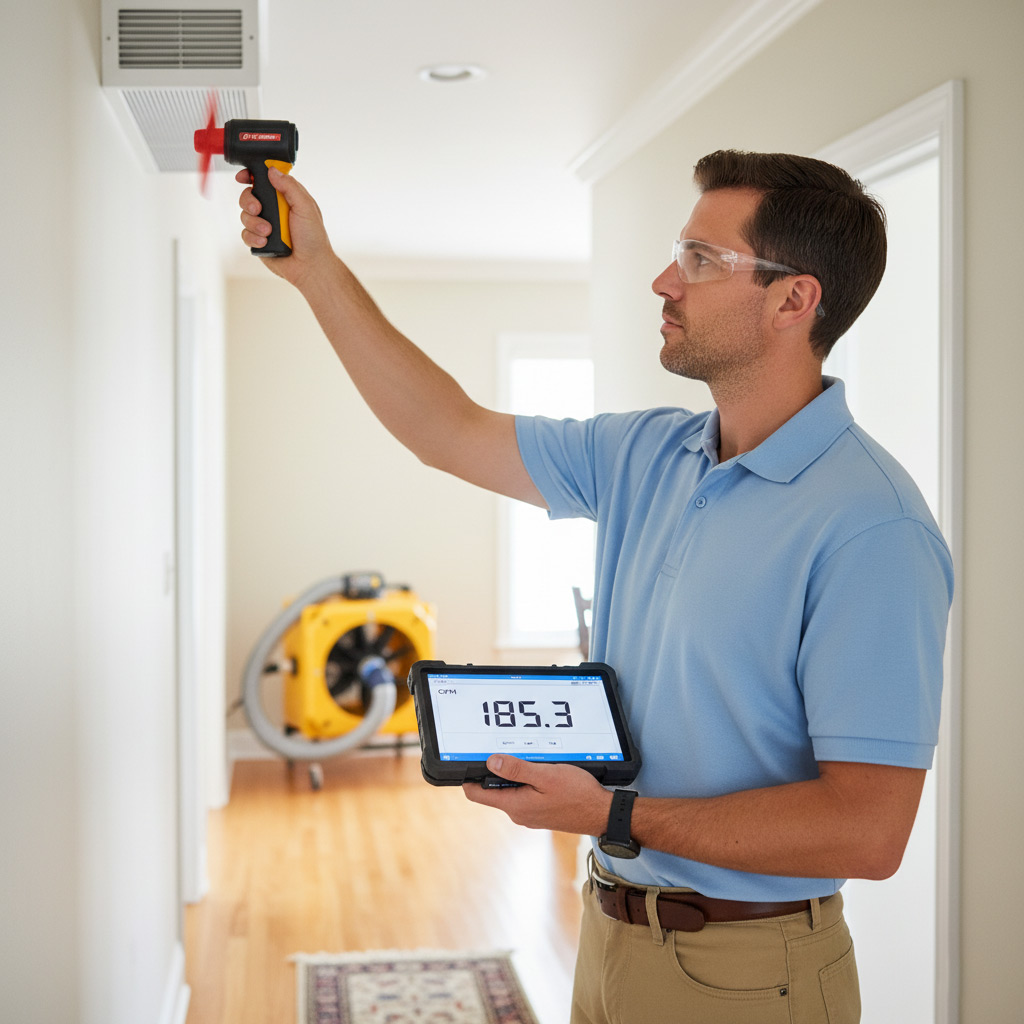
Most homeowners in Minneapolis think they need a 'bigger' AC or 'stronger' furnace to beat our extreme weather. This is where most go wrong, big time. You don't guess your house's heating and cooling needs; you calculate them.
Sizing an HVAC system based on square footage alone or, even worse, what the last guy had, is like trying to hit a bullseye blindfolded. It leads to systems that are either massively oversized – constantly cycling on and off, wasting energy, and failing to properly dehumidify – or dangerously undersized, leaving you sweating in July and shivering in January.
The secret to true comfort? It’s called a **heat load calculation**. This isn't some quick math. It's a detailed, scientific assessment that considers every single factor affecting your home's thermal performance:
- The specific type and R-value of your wall and attic insulation.
- Every window and door: their size, orientation to the sun, and energy efficiency.
- Your home's unique airtightness and infiltration rates.
- Internal heat gains from people, lights, and appliances.
- Even the specific climate data for our Minneapolis zip code.
Without this precision, you’re basically throwing money into an inefficient system. A proper load calculation means your new HVAC unit is perfectly matched to your home, delivering consistent temperatures, optimal humidity control, and lower energy bills, year after year.
Sizing it Right: Matching HVAC Equipment to Minneapolis's Extreme Demands
Think buying HVAC equipment is like picking out a new TV? Just grab the biggest one you can afford? Big mistake. Especially here in Minneapolis, where we swing from brutal sub-zero winters to scorching, humid summers. The wrong size unit isn't just inefficient; it’s a recipe for constant discomfort and inflated utility bills.
An oversized furnace or AC will "short cycle," meaning it kicks on, blasts air, then shuts off before truly dehumidifying or evenly distributing warmth. This creates clammy air in summer and cold spots in winter. An undersized system, on the other hand, runs constantly, struggling to hit your set temperature, leading to premature wear and tear on expensive components.
This isn't guesswork. We're talking about precise calculations based on factors unique to your home and our local climate. This includes:
- Your home's square footage and ceiling height.
- The type and quality of insulation.
- Window types, their orientation, and shading.
- Air leakage points.
- Even the number of occupants and heat-generating appliances.
Only with these details can we specify equipment that offers peak performance, maximum comfort, and significantly lower energy costs, perfectly matched to Minneapolis's extreme demands.

The Unseen Network: Ductwork Design Secrets for Even Heating and Cooling
Think of your ductwork like the veins and arteries of your home’s comfort system. It's often out of sight, out of mind, but if it’s poorly designed, even the most expensive furnace or AC unit is just spinning its wheels. Without properly designed ducts, you're essentially trying to water a garden with a leaky hose – most of the conditioned air never reaches where it's supposed to go, or it gets there at a whisper.
This isn't just about inefficiency; it's about those hot spots in summer and cold zones in winter, making your Minneapolis home feel like a patchwork quilt of temperatures. Many homes here suffer from ductwork that’s either too small, too large, or riddled with leaks. Too small, and your system struggles to push air, increasing energy consumption and making rooms feel stuffy.
Too large, and air velocity drops, leading to poor mixing and temperature stratification. Worse yet, leaky ducts in unconditioned spaces like attics or crawl spaces are literally dumping your expensive heated or cooled air outside. That’s real money blowing away – money you could be saving.
Ductwork Design Pillars for Lasting Comfort:
- Precision Sizing: Ducts must be sized specifically to your home’s heat load, not just 'standard' measurements. Too small restricts air; too large slows it down.
- Strategic Layout: Minimize sharp bends and maximize straight runs. Every turn creates friction and reduces airflow, forcing your system to work harder.
- Air-Tight Sealing: Use high-quality mastic sealant on every joint. Tape simply doesn’t cut it in the long run, especially in an attic where temperatures fluctuate wildly.
- Proper Insulation: Ducts running through unconditioned spaces must be insulated. Otherwise, you’re conditioning your attic or crawl space, not your living room.
When these elements are handled correctly, you get strong, consistent airflow, balanced temperatures in every room, and a dramatically more energy-friendly home. That's how you truly take command of your indoor climate.
Dividing for Comfort: The Power of Zoned HVAC Systems in Multi-Level Homes
Ever find yourself bundled up downstairs while the kids are sweating in their upstairs bedrooms? Or battling over the thermostat because one floor feels like a freezer and the other a sauna? This isn't just a minor annoyance; it's a direct consequence of a single-zone HVAC system trying to control radically different environments.
In Minneapolis, with our wild temperature swings, multi-level homes are notorious for these comfort inconsistencies. Zoning an HVAC system breaks your home into two or more distinct temperature control areas, each with its own thermostat. This means you can keep the living room at a perfect 70°F while the unused guest room stays at a more energy-saving temperature.
How Zoned Systems Deliver Personalized Comfort
The magic happens with motorized dampers installed within your ductwork, controlled by separate thermostats. When one zone calls for heat or cool, the system directs conditioned air only to that specific area. This offers several undeniable advantages for Minneapolis homeowners:
- Pinpoint Comfort: No more hot spots or cold spots. Each zone gets precisely what it needs.
- Significant Energy Savings: Why pay to heat or cool empty rooms? You'll reduce energy waste dramatically.
- Customizable Preferences: Family members can enjoy their preferred temperatures in their own spaces, eliminating thermostat wars.
- Increased Home Value: A properly zoned system is a major selling point, signaling a modern, comfortable, and energy-conscious home.
Think of it as having multiple heating and cooling systems for the price of one, but smarter. It's about taking back control from your home's inherent design challenges and truly optimizing for comfort and cost.
Breathing Easy and Efficiently: Integrating Ventilation and Indoor Air Quality Solutions
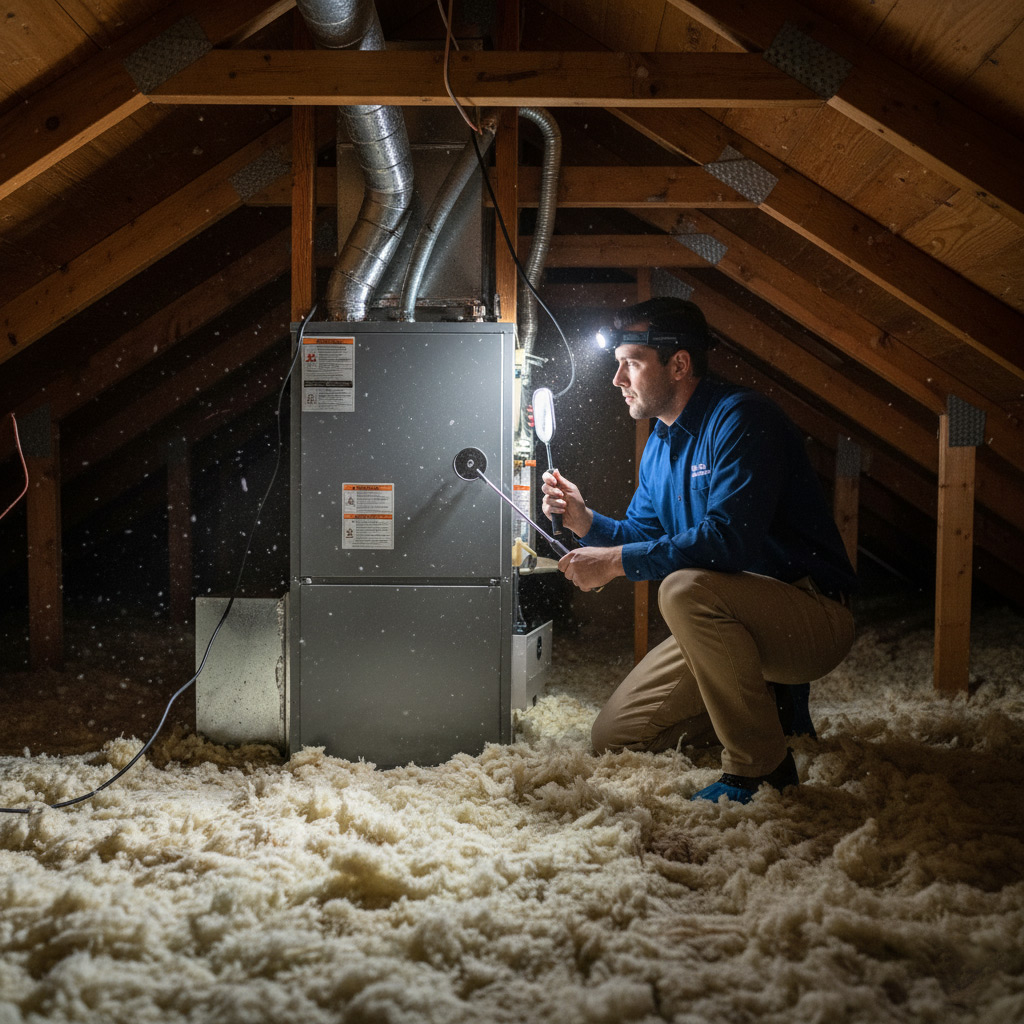
Most Minneapolis homeowners think their HVAC system is all about heating and cooling the air. They’re missing half the story. Your home’s indoor air quality (IAQ) often gets completely ignored, yet it impacts your family’s health and comfort every single day. Think about it: a tightly sealed, energy-efficient home traps more than just heat; it traps pollutants, allergens, and stale air. This isn't just unpleasant; it's a hidden problem for your well-being.
True comfort design goes beyond temperature control; it actively manages the air you breathe. That's where solutions like Heat Recovery Ventilators (HRVs) and Energy Recovery Ventilators (ERVs) become non-negotiable for Minnesota. These systems constantly exchange stale indoor air for fresh outdoor air, but with a crucial twist: they recover most of the heat (or cooling) from the outgoing air. This means you get fresh air without skyrocketing your energy bills. Beyond ventilation, consider advanced filtration with MERV-rated filters, UV germicidal lights, or whole-home air purifiers to actively remove particulates and pathogens. And don't forget humidity control – a balanced indoor humidity level (ideally between 30-50%) is key to preventing mold growth, dry skin, and static shocks, especially during our harsh winters.
Integrating these IAQ solutions at the design stage isn't an afterthought; it's a fundamental part of creating a truly healthy and efficient home environment. You wouldn't build a car without proper brakes, right? Don't build or upgrade your HVAC system without considering the air inside. It means less dust, fewer allergens, no lingering odors, and a significant improvement in your family's respiratory health. When done correctly, your breathing will be easier, and your energy bills will be smarter because your system isn't just moving air; it's perfecting it.
Real-World Comfort: A Minneapolis Home's HVAC Design Transformation Case Study
Let's talk about the Johnsons, a family living in a classic two-story home near Minnehaha Park. Their house was a prime example of bad HVAC design in action. During winter, their downstairs was chilly, while the upstairs bedrooms were roasting. Come summer, the opposite was true: a freezer downstairs and an unbearable sauna upstairs. They were constantly battling thermostats, opening windows, and wondering why their energy bills kept climbing despite a relatively new furnace and AC.
Our team performed an in-depth energy audit and load calculation. What did we find? A system that was actually oversized for the main floor and undersized for the upstairs, combined with poorly sealed and routed ductwork. This meant uneven air delivery and wasted energy. We recommended a complete redesign, including:
- A properly sized two-stage furnace and variable-speed AC unit.
- A zoned HVAC system, allowing independent temperature control for each floor.
- New, meticulously designed and sealed ductwork to ensure optimal airflow to every room.
- An integrated fresh air ventilation system to improve overall indoor air quality.
The transformation was night and day. The Johnsons now enjoy consistent, comfortable temperatures throughout their entire home, year-round. No more battling over the thermostat! Their energy consumption dropped by nearly 25%, a significant saving in Minneapolis's extreme climate. Mrs. Johnson especially appreciates the improved air quality, noticing fewer allergy flare-ups. This isn't just about new equipment; it's about smart design delivering real comfort and savings, proving that the foundation of a great HVAC system is its thoughtful, tailored plan.
Final Thoughts: Investing in Design for Lasting Minneapolis Comfort.
You’ve seen the secrets laid bare: from precise load calculations to intelligent zoning and thoughtful ventilation. This isn't just about picking a furnace or AC unit; it's about crafting an optimal indoor environment. Investing in expert HVAC system design in Minneapolis is the single best decision for your home's long-term comfort and your wallet. It’s the crucial difference between guessing and guaranteed performance.
Think about the true cost of an improperly designed system. It’s not just the extra dollars draining from your utility bills every month, though that certainly adds up fast. It’s the constant nagging discomfort, the rooms you instinctively avoid, and the peace of mind you lose battling our brutal winters and stifling summers. A well-designed system delivers consistent, effortless performance, year after year, no matter what Mother Nature throws at us here in Minnesota.
Don't settle for "good enough" when it comes to your home's core comfort system. Take control and demand a tailor-made solution that accounts for every unique aspect of your Minneapolis property. When you invest in meticulous design, you're not just buying equipment; you're securing a future of efficient, reliable, and truly enjoyable indoor living.
People Also Ask
Why is a proper HVAC load calculation crucial for Minneapolis homes?
A precise load calculation ensures your HVAC system is neither too big nor too small for your specific home and Minneapolis's extreme temperature swings. This prevents inefficiencies, premature wear, and ensures consistent comfort throughout the year.What considerations are unique to HVAC system sizing for Minneapolis's climate?
Minneapolis experiences very cold winters and hot, humid summers, requiring systems that can efficiently handle both extremes. Proper sizing must account for insulation, window quality, and airtightness specific to cold climates, preventing common issues like short-cycling or inadequate heating/cooling.How does professional ductwork design impact comfort and efficiency?
Well-designed ductwork ensures even air distribution to every room, eliminating hot or cold spots and reducing energy waste. Poor ductwork can lead to significant air leaks, reduced system efficiency, and uneven temperatures, regardless of the HVAC unit's quality.What are the advantages of a zoned HVAC system for multi-level Minneapolis homes?
Zoned HVAC systems allow different areas or floors of your home to be heated or cooled independently, providing personalized comfort and significant energy savings. This is particularly beneficial in Minneapolis multi-level homes where heat rises, creating temperature disparities between floors.Can an HVAC system improve indoor air quality and ventilation in a Minneapolis home?
Absolutely. Modern HVAC systems can integrate solutions like high-efficiency filters (MERV-rated), UV lights, humidifiers, dehumidifiers, and fresh air ventilation systems. These components work together to remove pollutants, allergens, and maintain optimal humidity, crucial for health and comfort in tightly sealed Minneapolis homes.
Minneapolis HVAC offers reliable heating and cooling solutions for the local community. Their experienced technicians possess the expertise to manage a wide range of HVAC needs. Dedicated to serving Minneapolis, MN, they focus on consistent home comfort.
Need HVAC?
We provide prompt, efficient solutions for your needs across Minneapolis, MN and surrounding communities, ensuring your objectives are met without delay.
Get a Service Estimate