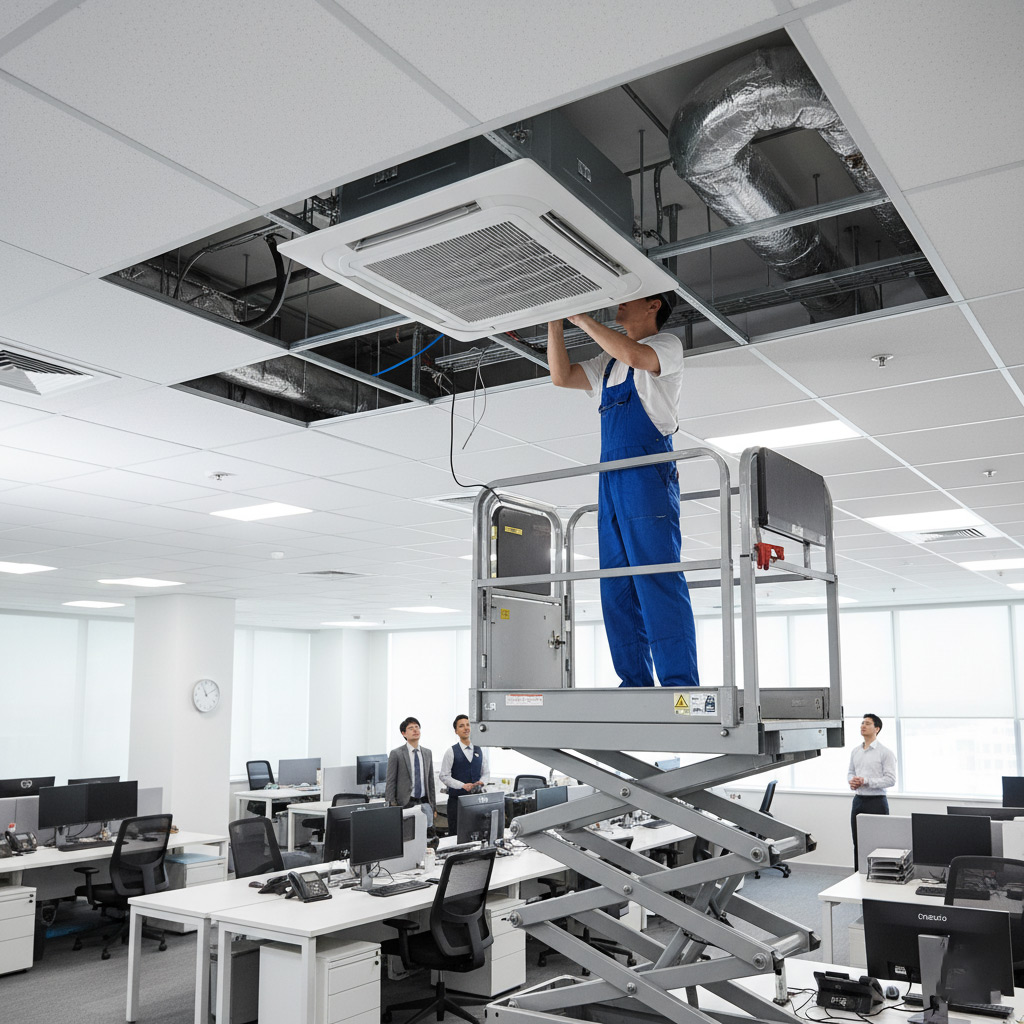
Your Minneapolis home’s heating and cooling system just died. Or maybe it’s just limping along, sounding like a dying cat and costing you a fortune in utility bills. Either way, you know the drill: it’s time for a new one.
The problem? Replacing your HVAC isn't like buying a new toaster. It feels like stepping into a sales shark tank, full of confusing jargon and promises that sound too good to be true. Most guides just add to the confusion, leaving you more stressed than when you started.
Forget the fluff and the fancy brochures. This isn't about selling you anything; it's about arming you with the actual facts you need to make a smart, informed decision for your Minneapolis HVAC replacement. We're stripping away the BS to show you exactly what matters, and what doesn't.
Ready to finally understand your options and pick the right system without getting ripped off? Let's dive into the truth.
1. Beyond the Broken AC: Real Signs Your Minneapolis HVAC Needs Replacing
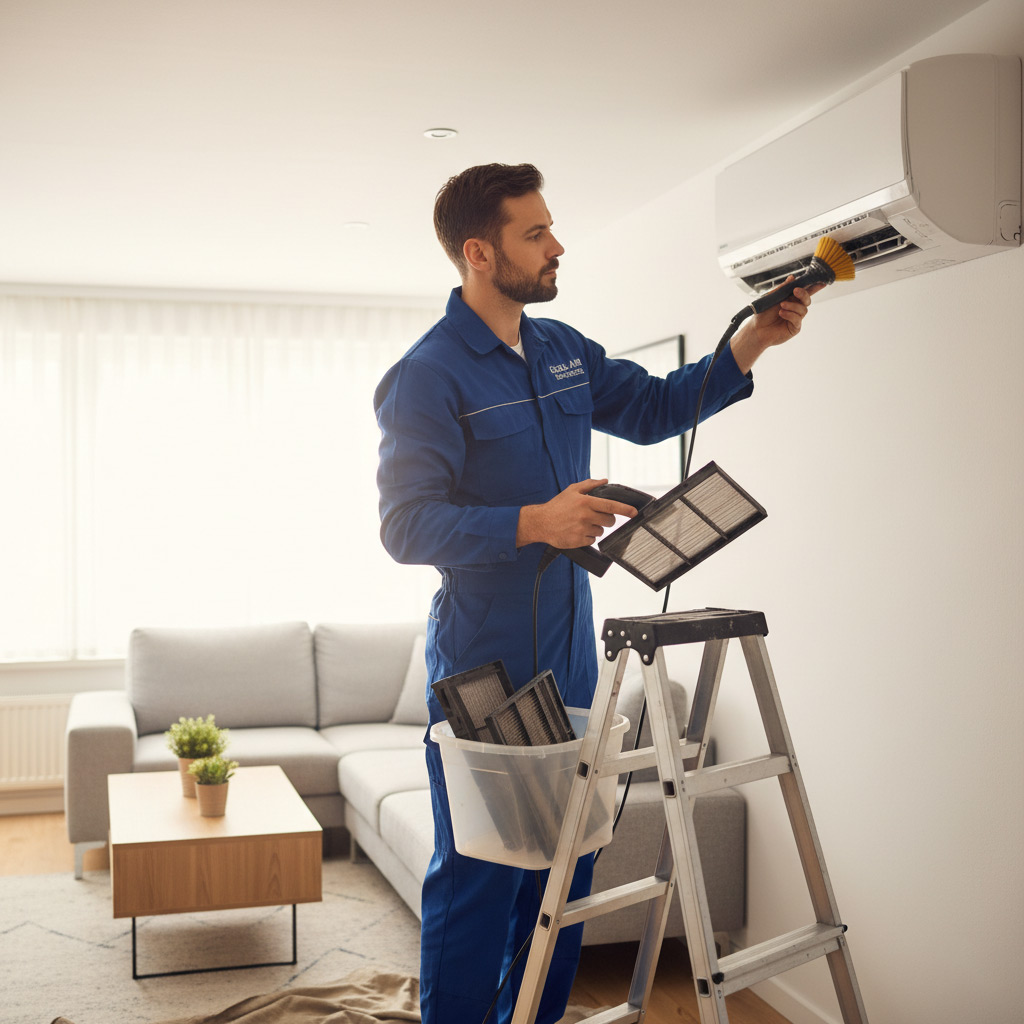
Your heating and cooling system doesn't just spontaneously combust into a pile of junk. Sure, a complete breakdown is a screaming signal, but often, your old unit sends out plenty of subtle distress calls long before it flatlines. Ignoring these early warnings means you’re basically throwing money away, especially with Minneapolis's wild temperature swings.
Think beyond a totally dead AC. The real signs are often quieter, more insidious, and silently draining your bank account. If your system is old enough to vote – typically over 10-15 years – it’s already on borrowed time. But age isn't the only factor.
It's Not Just About Age (But It Matters!)
You need to pay attention to your comfort and your bills. Here are the undeniable indicators that your HVAC is probably due for a dignified retirement, not just another costly patch-up:
- Skyrocketing Utility Bills: If your energy costs are creeping up each month, even with steady usage, your system is working harder than it should. It's struggling to keep up, chewing through electricity or gas without delivering proper comfort.
- Inconsistent Temperatures: Are some rooms an icebox while others feel like a sauna? This isn't just annoying; it's a sign your system can't distribute conditioned air evenly. That means hot spots in the summer and chilly zones in the dead of winter.
- Strange Noises or Smells: Grinding, squealing, rattling, or banging sounds are never good. Neither are burning smells or dusty odors. These indicate failing parts, motor issues, or even mold.
- Frequent Breakdowns and Repairs: If your technician is on a first-name basis with your family, you're investing too much in a dying system. These constant fixes are a money pit, not a solution.
- Poor Indoor Air Quality: Excessive dust, stuffiness, or recurring allergy symptoms can point to an HVAC system that's no longer filtering effectively or managing humidity correctly. You deserve to breathe easy in your own home.
Don’t wait for total failure to act. Catching these cues early means you can plan a replacement on your terms, not in a panic. This proactive approach saves you headaches and keeps your home comfortable, year-round.
Decoding HVAC Efficiency: SEER, HSPF, AFUE, and What They Truly Mean for Your Wallet
Those letters – SEER, HSPF, AFUE – aren't just random alphabet soup. They're the direct scorecard for how much cash stays in your pocket versus flying out to Xcel Energy every month. Forget the technical deep dive; what you need to know is what each number represents for your actual energy consumption and, more importantly, your bills.
Let's break down these critical ratings:
SEER (Seasonal Energy Efficiency Ratio)
HSPF (Heating Seasonal Performance Factor)
AFUE (Annual Fuel Utilization Efficiency)
This is your air conditioner's MPG, basically. A higher SEER rating means your AC uses less electricity to cool your home over an entire season. In Minneapolis, with our sticky, humid summers, a good SEER rating can translate into significant savings. While 13 SEER is the current minimum, aiming for 16 SEER or higher can make a noticeable difference in your cooling costs.
If you're considering a heat pump, HSPF is absolutely crucial. It measures its heating efficiency, much like SEER measures cooling. A higher HSPF means your heat pump extracts more heat from even the cold Minnesota air using less electricity. This becomes a big money-saver when the outside temperature really drops.
This rating is all about your furnace. AFUE tells you exactly how much of the fuel (natural gas or propane) your furnace converts into usable, warm air for your home. An 80% AFUE furnace means 20% of that expensive heat goes right up the chimney, wasted. A 95% AFUE system wastes only 5%. For those brutal Minneapolis winters, every percentage point matters when you're heating your home for months on end.
The bottom line? Don't just look for *any* replacement system. Look for one with the optimal SEER, HSPF, or AFUE that fits your home and budget. Investing a little more upfront in higher efficiency often means bigger, consistent savings on those monthly utility statements for years to come. It’s not just a number; it’s a tangible promise of lower operating costs.
The Right Size Matters: Avoiding the Costly Mistake of Undersized or Oversized Systems
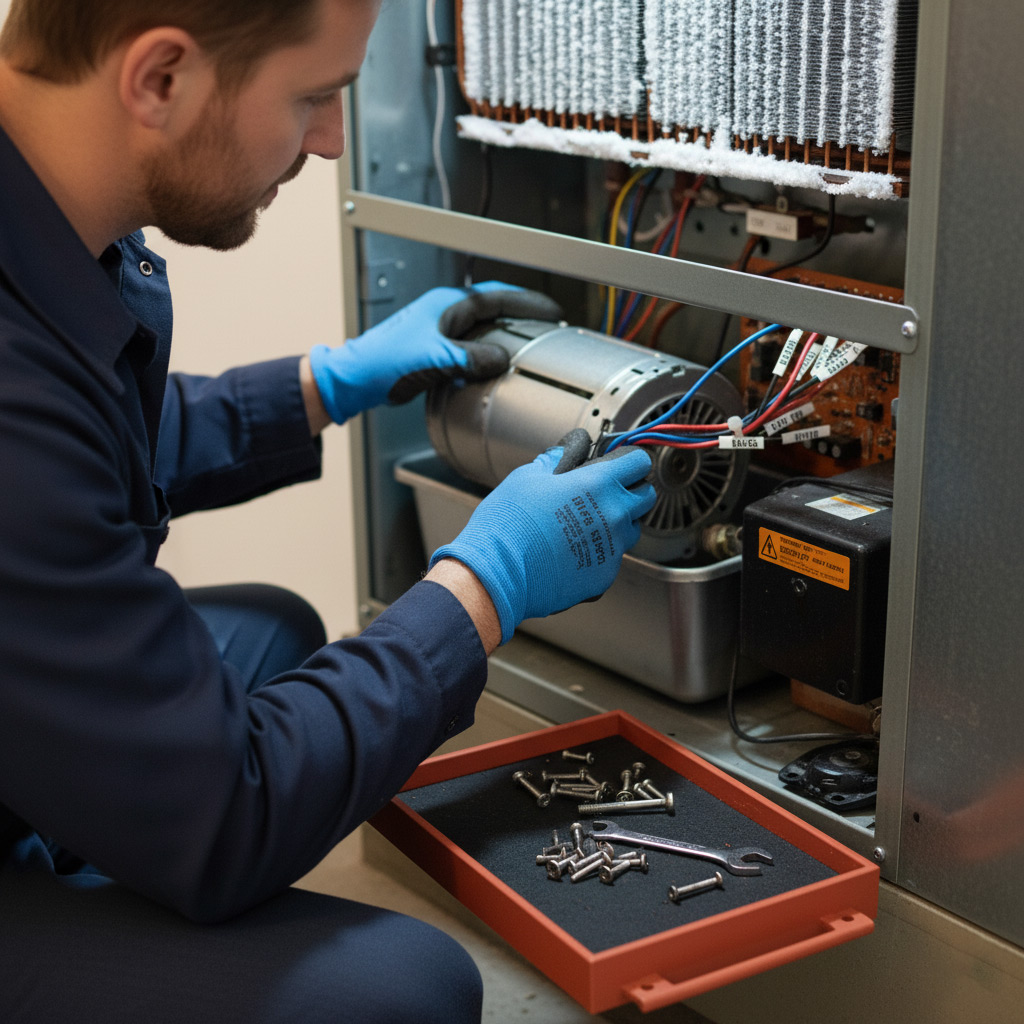
Forget horsepower in a car; for your HVAC, size is everything. Installing a system that's too small or too big isn't just a minor hiccup; it’s a colossal blunder that’ll hammer your wallet and your comfort. This isn't guesswork; it's physics, and getting it wrong means a miserable Minneapolis summer or winter.
An undersized unit works its tail off, constantly running but never quite catching up. Imagine a tiny engine pushing a heavy truck uphill all day. Your home stays uncomfortable, hot in summer, cold in winter, and your energy bills will climb higher than the IDS Tower. That constant strain also means a significantly shorter lifespan for your expensive new equipment.
Conversely, an oversized system is equally problematic, leading to what’s called "short cycling." It blasts out conditioned air too quickly, shutting off before it can properly dehumidify your home, leaving you with that clammy, sticky feeling. This constant on-off cycle causes excessive wear and tear on components, spikes energy costs, and often results in uneven temperatures throughout your home. The only way to get it right is through a precise load calculation, specifically a Manual J calculation, performed by a qualified professional. This takes into account your home's specific layout, insulation, windows, and even the number of occupants.
Navigating the Numbers: Understanding Total Costs, Rebates, and Long-Term Savings in Minneapolis
The initial quote you get for a new HVAC system is rarely the full story. You're not just paying for a box of metal; you're investing in a complete comfort solution. This includes the equipment itself, installation labor, any necessary ductwork modifications, and permits required by the city of Minneapolis. Always ask for a detailed breakdown of every single charge, leaving no stone unturned.
Here’s where a little homework can put serious cash back in your pocket. Minneapolis homeowners have access to various incentives designed to encourage upgrading to more modern, climate-friendly systems. Look into programs from CenterPoint Energy and Xcel Energy; they often offer rebates for energy-saving furnaces, AC units, and heat pumps. Don't forget federal tax credits, like those available under the Inflation Reduction Act, which can drastically lower your final price. A good contractor will help you uncover these opportunities.
Think beyond the immediate cost. A system with a slightly higher upfront investment often delivers substantial savings over its lifespan through drastically reduced energy bills. Those higher SEER and AFUE ratings directly translate into less money flowing out of your bank account each month for heating and cooling. This isn't just a minor perk; it's a measurable return on your investment that adds up to thousands of dollars over the years you own the system.

Hiring a Pro, Not a Predator: How to Vet HVAC Contractors for a Flawless Installation
Beyond the Pretty Van: Check Their Credentials
Anyone can slap a logo on a truck, but a real pro backs it up with proof. Before you even think about signing a contract, demand to see their licenses. In Minnesota, this means they should be licensed by the State of Minnesota Department of Labor and Industry. Ask for proof of insurance, too. You don't want someone working on your house who isn't properly covered if an accident happens.
A reputable company will gladly provide these documents without hesitation. If they hem and haw, or give you vague answers, that's your first red flag. This isn't just about legitimacy; it’s about protecting your home and your wallet from potential disasters.
The Digital Footprint: What Others Say
In today's world, a company's reputation isn't hidden in a phone book. It's plastered all over the internet. Do your homework. Look beyond just their website testimonials, which are often cherry-picked. Head straight to objective review platforms like Google Reviews, the Better Business Bureau (BBB), and local Minneapolis community forums or Facebook groups.
Pay close attention to how they handle negative feedback, not just the glowing ones. Are they responsive? Do they try to resolve issues publicly? A pattern of unresolved complaints or a complete absence of reviews can be just as concerning as a handful of truly terrible ones. Remember, you're hiring for a long-term relationship, not just a one-off transaction.
Get Specific: The Quote and The Questions
When you get quotes, don't just compare the bottom line. A dirt-cheap quote often means corner-cutting down the road. Demand a detailed, itemized breakdown of costs. This should include the system itself, all labor, permits, disposal of the old unit, and any potential unforeseen expenses. Ask about warranties – both for the equipment and the installation.
A good contractor will visit your Minneapolis home, perform a thorough load calculation, and explain their recommendations clearly. Be wary of anyone who gives you a quote over the phone without seeing your space or pressures you into making an immediate decision. A smart swap takes time to get right, and a true professional respects that process. Don't settle for less.
Case Study: A Minneapolis Home's Smart HVAC Upgrade and the Results
Meet the Larsons, homeowners in South Minneapolis, who were stuck with a 15-year-old furnace and AC unit that was, frankly, an energy hog. Their winter gas bills were through the roof, and summers felt like a constant battle against hot spots and humidity, even after costly repairs.
They’d seen the signs: short cycling, strange noises, and that sinking feeling every time the utility bill arrived. The old system was poorly matched for their updated insulation and growing family, leading to constant runtime and zero real comfort.
After reviewing their options and getting an honest assessment, the Larsons opted for a properly sized, high-SEER heat pump system with a natural gas furnace as a backup. They understood the long-term play, focusing on overall value, not just the lowest sticker price.
We worked with them to secure a couple of significant local rebates, including Xcel Energy's offerings, which significantly chipped away at the upfront cost. This wasn't just about buying a new unit; it was about investing in a system that would truly perform.
The transformation was immediate. Their utility bills plummeted by nearly 30% annually, a significant chunk of change staying right in their pocket. More importantly, their home finally felt consistently comfortable, corner to corner, through all seasons.
No more guessing games with the thermostat, no more unexpected repair calls. The Larsons didn't just replace their HVAC; they upgraded their lifestyle and added serious value to their Minneapolis home with a system built to last.
Final Words: Your Confident Path to a Comfortable Minneapolis Home.
You've just peeled back the layers of confusion. No more feeling lost in the jargon or at the mercy of a pushy salesperson. You now hold the practical insights on diagnosing problems, understanding efficiency metrics, and correctly sizing a new system for your Minneapolis home.
This knowledge isn't just about specs; it's about making decisions that translate directly into tangible benefits. Think consistent, comfortable indoor temperatures, fewer headaches from breakdowns, and real money staying in your pocket through lower energy bills. You're equipped to seek out a system that truly serves your needs, not just someone's sales quota.
Ultimately, a smart HVAC swap is an investment in your home's future and your daily comfort. Take what you've learned here, ask tough questions, and demand transparency. For ongoing support and expert information, explore our comprehensive HVAC Replacement resources. You are now ready to make an informed choice and secure lasting comfort.
People Also Ask
What are the primary signs my HVAC system needs replacement in Minneapolis?
Look for consistently high energy bills, frequent breakdowns requiring costly repairs, and uneven heating or cooling throughout your Minneapolis home. Old age (10-15+ years for AC, 15-20+ for furnace) is also a strong indicator that efficiency has severely degraded.How much does an HVAC replacement typically cost in Minneapolis, and what factors influence it?
The cost of an HVAC replacement in Minneapolis can range significantly, usually from $7,000 to $15,000+, depending on system type, size, efficiency ratings, and installation complexity. Factors like ductwork modifications and brand choice also play a role.What HVAC efficiency ratings are most important for Minneapolis's climate?
For Minneapolis, focus on a high AFUE (Annual Fuel Utilization Efficiency) for your furnace, ideally 90% or higher, to handle cold winters efficiently. For air conditioning, look for a good SEER (Seasonal Energy Efficiency Ratio) of 16 or higher, and if considering a heat pump, a strong HSPF (Heating Seasonal Performance Factor) is crucial.Are there any rebates or incentives for HVAC upgrades available to Minneapolis homeowners?
Yes, Minneapolis homeowners can often access rebates from local utilities like Xcel Energy or CenterPoint Energy for high-efficiency HVAC installations. Additionally, federal tax credits and manufacturer rebates may be available, significantly reducing your upfront costs.How do I ensure I'm hiring a reputable HVAC contractor in Minneapolis?
Always verify a contractor's licenses, insurance, and ask for local references. Look for transparent pricing, clear warranties on parts and labor, and ensure they perform a thorough home assessment to properly size your new system.
Minneapolis HVAC offers reliable heating and cooling solutions, backed by years of industry experience. Their skilled technicians provide expert service throughout the Minneapolis metropolitan area. Focused on client comfort, they ensure efficient and dependable HVAC system performance.
Need HVAC?
We provide prompt, efficient solutions for your needs across Minneapolis, MN and surrounding communities, ensuring your objectives are met without delay.
Get a Service Estimate